Rokurinsha 六厘舎

In Tokyo, there perhaps is no ramen shop that is more famous than Rokurinsha. Even my friends who do not like ramen have heard of this place. At the time I started using ramendb, this shop was consistently in the top 10, and it is known to be the godfather of tsukemen, where the tsukemen sensation all started. Since then, tsukemen shops have popped up EVERYWHERE, and like the greats, the new shops have slowly but surely surpassed Rokurinsha as being the best.


I was fortunate enough to have gone to the original shop in Ōsaki. This place is of course no longer opened, due to the neighbors complaining about the number of people waiting in line during business hours. And the amount of people waiting in line is pretty ridiculous. On the day I went, my friend and I arrived at the shop at 11:10am, and by the time we sat down, it was 1pm. No sane person would wait nearly two hours for ramen, but I guess those of us who were waiting were all crazy.


One of the possible reasons for a usual two-hour wait is due to the size of the shop. I think they only seated 12 people, so turnover definitely going to be slow. Now, one of my BIGGEST regrets that day was forgetting to charge the battery for my SLR, and thus, after taking pictures outside, my camera was dead when I got indoors. The following pictures was taken with my pathetic Nokia E71 at the time, and the pictures are blurred... (TEARS)


Even with the blurred pictures, the ramen looks amazing, and just by looking it brings back memory. This was one of my first experiences to have gourmet ramen. What is gourmet ramen? Well, Rokurinsha defined it for me. At no point in my life did I ever wait two hours for food. And Rokurinsha was well worth the wait. From the limited menu, seating, to the quality of the food, this was gourmet ramen.


The charshu here isn't just done well, it's nearly perfect. I consider good charshu being well marbled, charred from the outside, soft inside, and Rokurinsha's effort was absolutely superb.


The tamago was just as good, with the yolk half boiled and still liquidy. Just the way I like it!


The noodles, amazing. Just the right thickness, just the right amount of chewiness. Absolutely amazing!


My friend went the tsukemen route, which also looked amazing. Now most tuskemen shops only offer cold noodles due to the cooking and cooling process, but Rokurinsha will add another step and warm the noodles again. This was for those who don't want their tsukemen soup to be cold after half way through the meal.

This had to be one of the best ramen experiences I had at the time, and even with my many other adventures, to date. The shame is that the original shop is close. But never fear, Tokyo Ramen Street is here.


On my subsequent trips to Tokyo, after learning the Ōsaki location had closed, I was so happy to hear that it opened in Tokyo Ramen Street. By this time, I had started my tsukemen tour, so Rokurinsha had to be experienced.


The consistency of the soup is seen here. From my first trip to Rokurinsha, to this experience at Tokyo Station, the soup looks pretty much the same. I didn't get to try the Tsukemen at Ōsaki, so I can't compare the two. But ramendb has the Ōsaki branch rated much higher, but I found the Tokyo Station shop pretty amazing.


If anything, the charshu didn't look as good compared to Ōsaki, this could be because for Tsukemen they provide different charshu. Who knows? But it is evident that this serving is a bit thinner.


The noodles however, absolutely amazing.
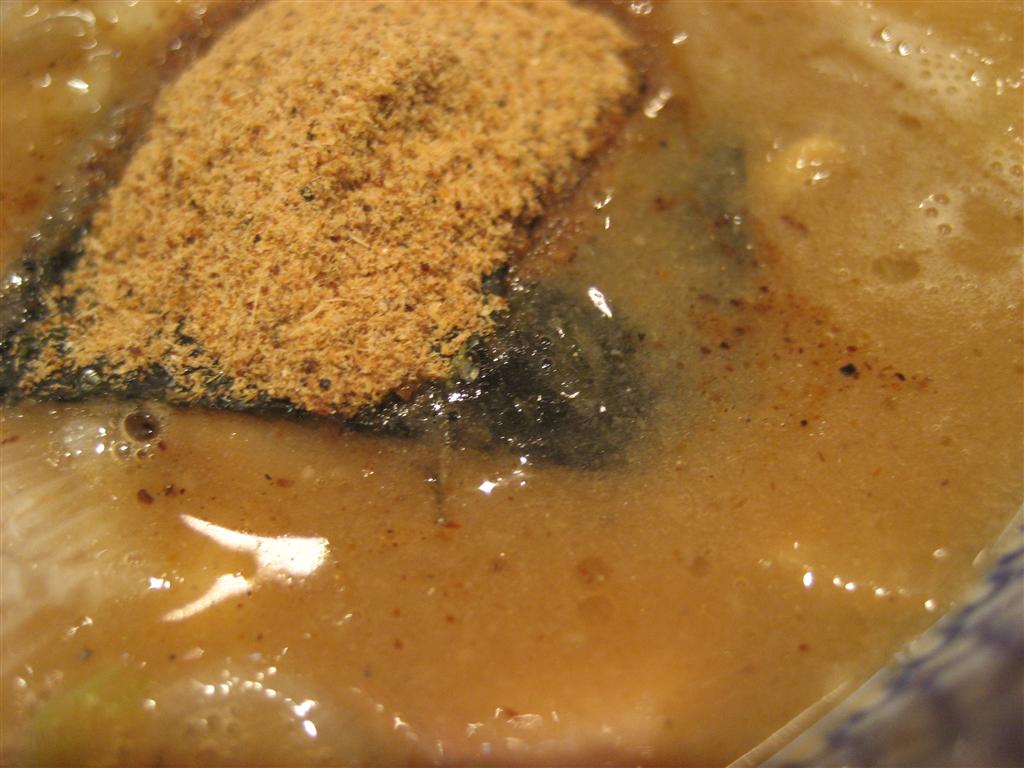


As with most tonkotsu gyokai (豚骨魚介), the soup is thick, rich, and topped off with bonito powder for extra flavoring.


The tamago remains of the features for Rokurinsha, and done just as well as the Ōsaki.


This picture is simply painful to look at not being able to take a bite. It is every bit good as I expected it to be, and it was easily one of the most memorable tsukemen experiences I had.

Rokurinsha has lost some of its mystique over the years, but it continues to have the longest line at Tokyo Ramen Street for a reason. Whether it is just because of the name, or the quality of the food, Rokurinsha continues as a strong presence in Tokyo. It's like a veteran ball player who knows all the tricks. The newer shops may all the flare and fame, when it's all said and done, if you need a closer at the end of the game, you don't need to look much further than Tokyo station.

City: Tokyo, Japan
Location: Ōsaki (closed)
Website: http://rokurinsha.com/

六厘舎TOKYO
City: Tokyo, Japan
Location: Tokyo Station
Hours: 7:30am - 10am (breakfast), 11am - 10:30pm
Website: http://www.tokyoeki-1bangai.co.jp/shop/shopinfo.php?shopcode=S0161&kubun=1
Ordering system: Machine
Available in English: Minimal

Nidaime Ebi Soba 二代目海老そば外伝

Tokyo Ramen Street is simply a genius idea. Place a bunch of the more popular ramen shops in one of the busiest stations in Tokyo, and give locals and tourists a chance to try some of the great ramens that the city has to offer.


Nidaime Ebi Soba is a very different concept. Take ramen, which has been one of the staples in the Japanese diet, but integrate ebi (shrimp) into the soup base. What you get is a very different experience of ramen consumption.


One of the huge wins for this place is it offers Sapporo draft beer (one of my favorites)! Kudo points for sure!


The ramen (or soba) option is unlike everything I have ever tasted. The soup based with packed with shrimp flavor, which was quite a pleasant change to the usual tonkotsu, shoyu, gyokai ramen soups that seems to be everywhere.


As you can see the soup is fairly dark, very flavorful, and really tasty.


The tamago is done very well here, and certainly one of the highlights of this place (along with the beer).


The noodles, on the other hand, were very average. Maybe because I am use to ramen, and this was more close to soba. And because of the nature of Japanese food, they decided to pair a seafood-based soup with soba style noodles instead of ramen. I wasn't blown away from the noodles.


Everything from this shop is pretty well labeled, even it's spoon has the shop's logo.


My friend took the chance and ordered the tsukemen, and as soon as her order came, I had food envy. The noodles were very different, and she said they were very good.


And as you can see, the soup, also ebi-based, was very thick, and she also said it was very good. Sometimes you can tell by just looking at it, but to me, I realized I made a mistake by ordering the ramen/soba instead of the tsukemen.

Is Nidaime a place I would visit time and time again? Probably not. But with so many options for ramen and tsukemen in Tokyo that offers the same soup-base, you won't find many that offers an ebi-based soup. As far as I know, the shops on Tokyo Ramen Street will change from time to time, and at the time of writing this review, Nidaime Ebi Soba is already long gone. If you are interested in trying a ebi-based ramen, the only other one I know of is in Takadanobaba, with a similar name: Nidaime Ebi Soba Keisuke 二代目 海老そば けいすけ. I am not sure if they are related or not, but if you are interested in ebi-based ramen, give it a shot and let me know.

City: Tokyo, Japan
Location: Tokyo Station - Tokyo Ramen Street (closed)

Nidaime Ebi Soba Keisuke
City: Tokyo, Japan
Location: Takadanobaba, 5 minutes walk from the station
Hours: 11am - 11:30pm weekdays, 11am - 11pm weekends and holidays
Website: http://www.grandcuisine.jp/keisuke/nidaime.html
Ordering system: Unknown
Available in English: Unknown

Sakura Zaka 中華ソバ 櫻坂

Shibuya is known for many things: shopping, nightlife, hachiko, 109 girls, but not really known for being a ramen place. But just within walking distance from the station, I found not only Hayashi, which easily became one of my favorite shops for tonkotsu gyokai ramen, but found Sakura Zaka, which was also highly rated on ramendb.

Sakura Zaka is known for some very interesting ramen styles. There was one called tonkotsu shio, which was pork bone w/ salt, and this I had never seen before in any other shop. But at the time when I visited, I was on a tsukemen eating streak, so I ordered the tonkotsu gyokai tsukemen.

Very standard tonkotsu gyokai soup, whether you are looking at the texture, thickness, or transparency, it was everything you expect from a tonkotsu gyokai base.


Noodles once again very good. I felt a bit thinner than some of the shops that serve the real thick variety, but this I didn't mind at all.


As you can see the thickness of the soup, with some hints of black sesame seeds, and it was not oily at all.


Charshu was very good here. Very soft, very good for tsukemen. It blended well with soup, and make the easy experience very easy.


We have a winner with the tamago here. It was done very very well. One of the highlights at this shop.


All in all, a very good experience. I regret not trying the tonkotsu shio, and it looked very good and definitely worth a shot. Foot traffic is already pretty dead by the time you reach this shop, but it's good ramen attracted enough people as it was more than half full on a Saturday afternoon. Pretty impressive for non-feeding hours. The tsukemen is good, and the tonkotsu ship ramen is just interesting enough that I will have to visit this place again.

City: Tokyo, Japan
Location: Shibuya, 5 minutes from east exist
Hours: 11:30am - 9pm,
Website: No official website, http://ramendb.supleks.jp/s/309.html
Ordering system: Machine
Available in English: None

Sandaime 三代目(助) MARUSUKE

In my many trips to Tokyo, I pretty much always stay in Shinjuku. Let me take this opportunity to prop up the Hilton Tokyo in Shinjuku, one of my favorite hotels in the world. Great location, friendly staff, and amazing lounge. If you have diamond status, it is one of the better lounges I've ever been to.

Okay, on to the main event. While I don't mind traveling a long distance to have good ramen, it's always nice to find something in the neighborhood. So thanks to ramendb, I've decided to give Sandaime a go on a Saturday afternoon.


One great thing about Sandaime is the decor and how spacious the shop is. Many of you ramen lovers will attest that some of the ramen shops in Japan are way too small. It makes the experience special and cozy, but for a big guy like me, it can get difficult to maneuver. The way the interior is designed reminds me of a sushi shop where you sit at the bar with the sushi chef preparing your food.


Sandaime offers a variety of ramen flavors, but based on recommendations, I went with one of my favorites, tonkotsu.


The bowl is nicely decorated with a nice, white, creamy looking soup, nice and evenly marbled charshu, menma, tamago, and usual other toppings. All in all looking very good.


The noodles not like your traditional hakata-style noodles, but also of the thinner variety. Cooked to just the right chewiness.


Charshu was the highlight of this place. Made just exactly the way I like it, not too lean with just the even amount of fat.


The egg was also done very well here, another signature item here, although the yolk is cooked a bit too long and not as liquidly as others.


All in all a very nice, quality bowl of ramen. Does it stack up to the greats? Probably not. And chances are I still prefer Ichiran if I need a tonkotshu ramen fix. But if you happen to be in the Shinjuku Sanchome area and looking for a nice bowl of ramen, you should give this a try.

City: Tokyo, Japan
Location: Shinjuku, minutes from the Shinjuku Sanchome station
Hours: 11:30am - 11pm,
Website: No official website, http://ramendb.supleks.jp/s/2562.html
Ordering system: Machine
Available in English: None

Hayashi らーめん はやし

Simplicty is the word of the day. I love things being simple. Simple is always better. With all kinds of noodles you can get in Japan, from ramen, tsukemen, soba, udon, it rare to see a shop that sells just ramen, and nothing else. And here at Hayashi, things could not be more simpler.


Even on a rainy Saturday, off the beaten path from Shibuya station, I found myself waiting in line with the rest of the eager ramen lovers.


The say Hayashi is simple is an understatement. They sell three versions of their ramen, and they must do it well to be ranked as one of the better ramen shops in Tokyo.


It was unfortunate that I arrived late to the party, as by the time I got there, the charshu was already sold out. So I had to "settle" for the tamago ramen.


When my bowl of ramen arrived, you can immediately tell this was first class. I once told my Japanese colleagues that I compared ramen making to art, and this was ramen art at its finest.


The noodles was truly something special. It was slightly thinner than most ramen shops, but still slightly thicker than the thin hakata ramen noodles.


While some ramen shop has soup that is a bit too oily, and others not oily enough, Hayashi had the perfect balance.


Without getting the prized charshu, they still include a piece of pork with the tamago version. It was much leaner, but I was more than happy with it.


And what really made this shop that much more special was the tiny piece of orange peal that they used to decorate the ramen. But it was so much more than just decoration. As you get close to finishing the bowl, you can start to taste the citrus flavor. I don't know if this was intended, but it scored kudo points in my book.


If you haven't gotten the message, I loved Hayashi. At the time I was there, to the many shops that I have visited since then, this one was one of the most memorable experiences. I haven't gotten back there again only because there are so many places to try, but if I ever want a bowl of high quality ramen, this is very high on my list.

City: Tokyo, Japan
Location: Shibuya, about a 5-minute walk from west exit
Hours: 11:30am - 3:30pm, closed on Sunday
Website: No official website, http://ramendb.supleks.jp/s/177.html
Ordering system: Menu
Available in English: None